Regional Roundtable Series
Stress-Testing Sustainability Strategies: Building Frameworks for Resilience
Roundtable overview
Building sustainability strategies that withstand disruption.
As part of its Decarbonisation Roundtable Series, Sustainability Forum Middle East (SFME) hosted a virtual session titled “Stress-Testing Sustainability Strategies: Building Frameworks for Resilience”, exploring how recent geopolitical disruptions are reshaping the role of sustainability and climate strategies across the Middle East.
The discussion examined how disruptions to infrastructure, operations, and supply chains have exposed vulnerabilities across sectors, prompting organisations to reassess both immediate business continuity measures and longer-term sustainability objectives. Participants considered whether existing climate and sustainability strategies are sufficiently equipped to withstand periods of instability and support organisational resilience under pressure.
Bringing together representatives from industry, finance, and advisory organisations, the session explored the gaps revealed by recent challenges and the operational, structural, and investment shifts required to strengthen resilience. Discussions focused on energy security and efficiency, supply chain localisation and redesign, resource management, and the integration of resilience considerations into sustainability frameworks, risk management processes, and business continuity planning.
The roundtable also examined future pathways for strengthening climate strategies, highlighting the growing importance of aligning sustainability objectives with resilience outcomes. Participants discussed the role of finance, policy, and cross-sector collaboration in supporting more adaptive and robust frameworks capable of delivering value under both stable and disrupted conditions.
Held under Chatham House Rules, the session provided a platform for open dialogue and knowledge exchange, contributing to SFME’s ongoing efforts to advance practical, resilient approaches to decarbonisation and sustainable development across the MENA region.
Discussion focus
What the roundtable explored
Integrating sustainability into operations, risk management and business continuity.
Energy security and supply-chain resilience amid geopolitical and climate disruption.
Adapting climate strategies to evolving risks and system vulnerabilities.
Speakers
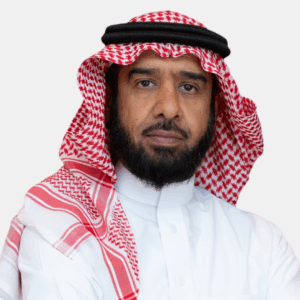
Badr S. Al-Johani
ChairmanCorporate Sustainability Association, Saudi Arabia

Erik Ringvold
Chief Business Development OfficerVoluntary Carbon Market
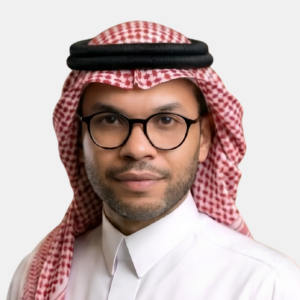
Dr. Hasan Raboui
Senior Vice President - Head of Sustainability Strategy SectionRiyad Bank
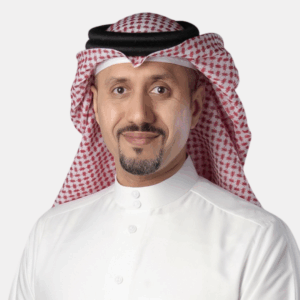
Mohamed Alaali
Group Chief Strategy and Transformation OfficerBBK Group

Natalie Tleel
ConsultantBoston Consulting Group
Moderator